When Women Invented Television: The Untold Story of the Female Powerhouses Who Pioneered the Way We Watch Today – A Trailblazing Media History
PLUS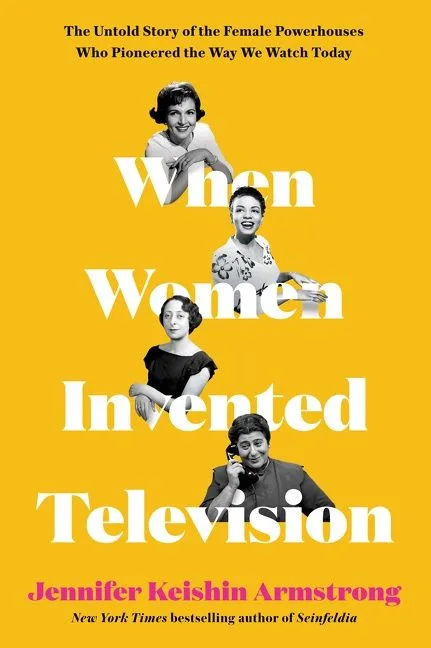
Details
Book description
Jennifer Keishin Armstrong tells the story of four women whose work helped shape television in its early years: Irna Phillips, Gertrude Berg, Hazel Scott, and Betty White. At a time when television was a new medium with limited budgets and few viewers, each saw possibilities that established radio figures often overlooked—and developed distinctive ways of making television resonate with audiences.
Their contributions ranged across genres and formats. Phillips brought female-centered casts to daytime serials; Berg adapted her radio show into a Jewish family comedy that expanded into other forms of entertainment and products. Scott, already known as a musician, became the first African American woman to host a national evening variety program. White became a popular presence on daytime talk shows and was among the first women to produce, write, and star in her own program.
Armstrong places these careers within a wider history of popular culture and power. As television grew more influential and profitable after World War II, sexism, racism, anti-Semitism, and political scrutiny—including the House Un-American Activities Committee’s threat to entertainers—shaped who could work and who controlled the medium. The book follows the women’s experiences as their early innovations and influence became less visible while men gained greater authority in the industry.
Drawing on their individual stories, this illustrated history recovers a neglected chapter in television’s development and considers how the medium reflects the society that creates it. It is suited to readers interested in television and media history, women’s contributions to culture, and the people and forces behind the popular entertainment of the twentieth century.