Details
Book description
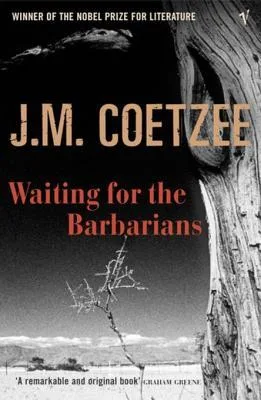
In a remote settlement at the edge of an unnamed empire, a magistrate witnesses the army’s treatment of members of the communities it calls “barbarian.” His protest against their imprisonment turns the authorities against him: he is arrested as a traitor and forced to confront the power he once served. The novel follows this conflict between an individual conscience and an imperial system determined to define its enemies and enforce its rule.
J. M. Coetzee uses the magistrate’s predicament to examine coercion, complicity, and the costs of resisting state violence. The boundary between the supposedly civilized empire and the people it labels barbarian becomes a focus for questions about who controls the story of a conflict, how fear is used to justify punishment, and what responsibility belongs to those who benefit from an unjust order.
Written as literary fiction with a political and allegorical dimension, the novel places moral inquiry at the center of its narrative. Its spare, controlled approach suits readers drawn to ethically complex stories and fiction that explores the workings of power rather than offering easy resolutions.
This book may appeal to readers of literary and political fiction, as well as those interested in imperial authority, human rights, and the dilemmas of protest. It is a focused choice for book groups and readers seeking fiction that invites discussion about justice, resistance, and the treatment of people cast as outsiders.