Details
Book description
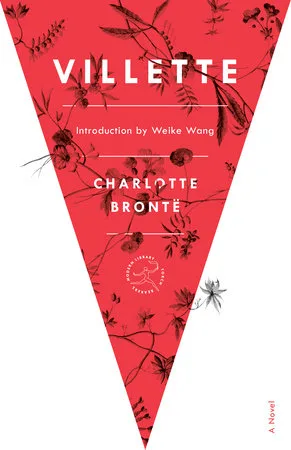
In Villette, Lucy Snowe leaves a painful past in England and begins again as a teacher at a girls’ boarding school in a foreign city. Seeking a livelihood and a measure of self-command, she faces the demands of unfamiliar surroundings while carrying an inward grief that others cannot readily see. Her effort to build an independent life becomes more complicated as her feelings draw her toward two very different men: a worldly doctor and an authoritarian professor.
Charlotte Brontë’s final novel centers on the tension between emotional longing and self-reliance. Lucy’s experiences explore loneliness, jealousy, grief and the difficult work of protecting one’s independence while still desiring connection. The story places a woman’s inner life at the heart of its drama, giving particular weight to the conflicts that may remain hidden beneath outward composure.
Known for its psychological insight and dramatic force, Villette offers a searching portrait of a woman negotiating personal feeling and practical necessity. Brontë’s treatment of loneliness and the struggle for self-possession gives the novel a strikingly modern quality, while its school setting and emotional conflicts connect it to the tradition of the Victorian novel.
This book is well suited to readers of classic literary fiction, especially those interested in psychologically nuanced stories about women’s independence, love and grief. Readers familiar with Jane Eyre may also appreciate the dramatic intensity and close attention to inner experience that characterize Brontë’s final novel.