Details
Book description
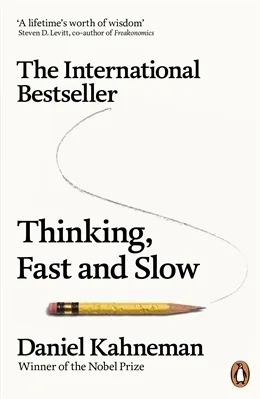
In Thinking, Fast and Slow, psychologist Daniel Kahneman explains how two modes of thought shape our judgments and decisions. System 1 operates quickly, intuitively, and emotionally; System 2 is slower, more deliberate, and more logical. Kahneman uses this framework to explore how people assess situations, make choices, and sometimes reach conclusions that feel convincing but deserve closer scrutiny.
The book examines the influence of overconfidence and cognitive biases in areas ranging from corporate strategy and investing to everyday plans and expectations about future happiness. It considers where intuition can be useful, where it can mislead, and how more deliberate thinking can help people recognize potential errors. Kahneman also discusses techniques for guarding against common mental glitches, connecting research on judgment and decision-making with choices in both business and personal life.
Written as an engaging exploration of how the mind works, the book makes psychological ideas relevant to readers interested in understanding their own reasoning and the decisions of others. Its focus on uncertainty, bias, and the limits of intuition offers a framework for reflecting on choices rather than treating first impressions as dependable answers.
A strong fit for general readers curious about psychology, behavioral economics, decision-making, and the ways people think, as well as readers seeking research-informed perspectives they can apply to professional and everyday decisions.