Details
Book description
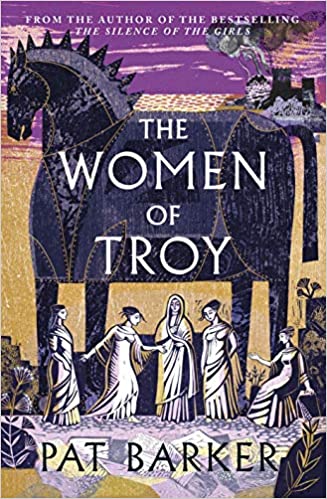
Troy has fallen, but the war’s end does not bring an immediate return home for its Greek victors. Held in camp near the ruined city, they wait for a fair wind that fails to come. The gods are offended by the desecration of King Priam’s body, while old grievances and fresh suspicions strain the coalition that defeated Troy. The aftermath of war becomes a tense period of uncertainty, in which power and loyalty remain unsettled.
At the center of the story is Briseis, once queen of Troy and later enslaved by Achilles. Now in the possession of his companion Alcimus, she watches the divisions among her captors and considers how to shape her own future. Briseis builds alliances where she can, including with Hecuba, Priam’s defiant widow, and Calchas, a disgraced soothsayer. Her quiet calculations give the novel’s account of the Trojan aftermath a perspective distinct from that of the victorious Greek warriors.
Pat Barker reimagines material from the Trojan War tradition through the experiences of women living under the power of their conquerors. The story explores captivity, revenge, political rivalry and the consequences of victory, while its camp setting gives the waiting and uncertainty an atmosphere of mounting tension. Rather than treating Troy’s fall as a clean ending, the novel examines the human and political conflicts that continue in its wake.
The Women of Troy will suit readers of historical fiction and literary retellings of ancient myth, especially those interested in women’s perspectives on war and its aftermath. It is a continuation of the story begun in The Silence of the Girls, with Briseis’s efforts to navigate a dangerous new order at its heart.