The White Book
PLUS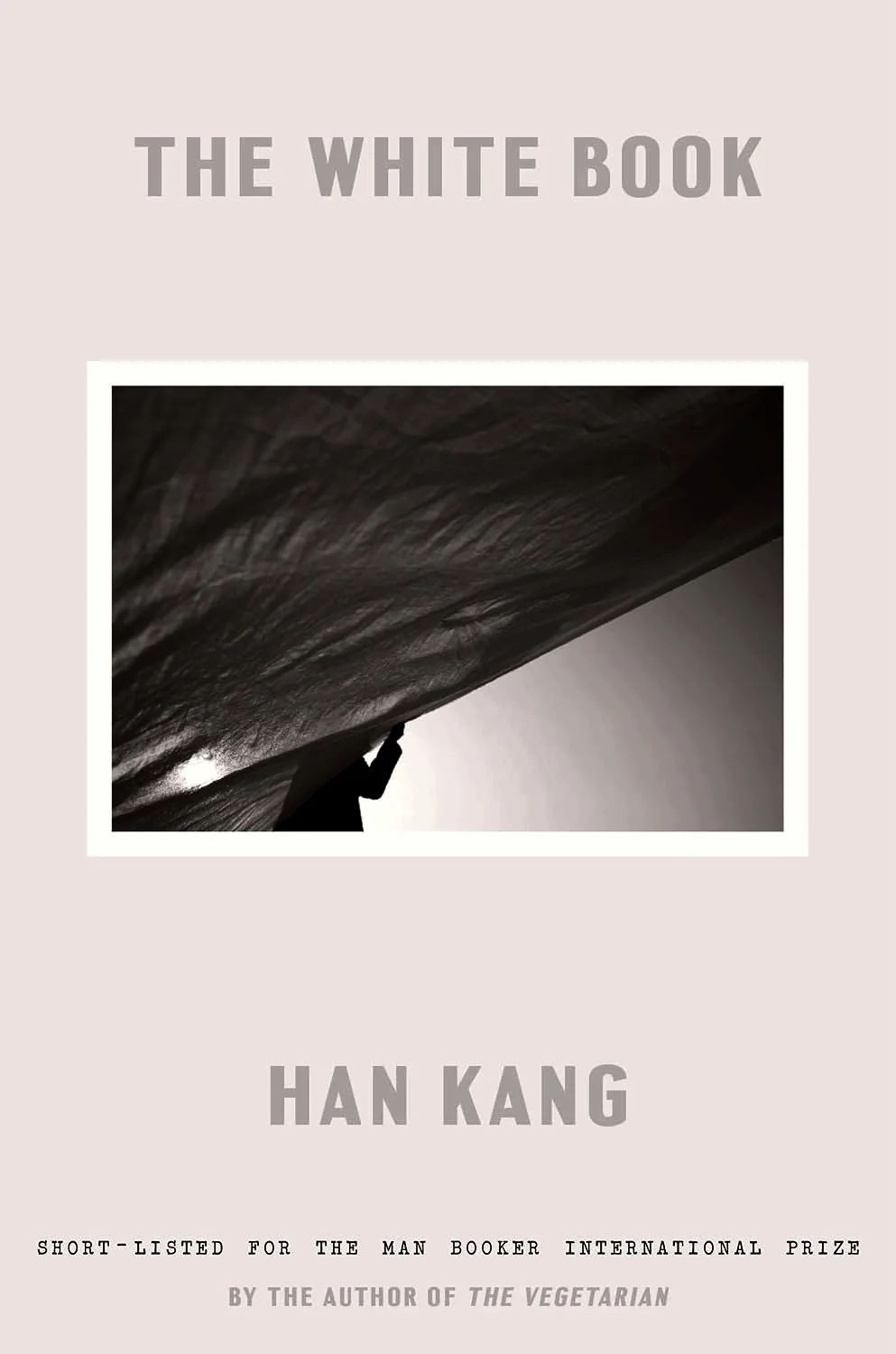
Details
Book description
In The White Book, Han Kang builds a meditation on the colour white from a series of brief, lyrical reflections. The narrator is haunted by the memory of an older sister who died two hours after birth. Around that loss, she gathers images of white things: the swaddling bands that served as the infant’s shroud, the milk she never drank, and the blank page on which the narrator tries to approach her sister’s story. The book’s fragments make colour a way of thinking about memory, grief and the traces a life leaves behind.
Written during a residency in Warsaw, the book places this intimate reckoning against a city marked by wartime destruction. As the narrator walks its unfamiliar, snow-streaked streets, personal mourning and the scars of the past come into uneasy proximity. The identities of the sisters begin to blur, giving the narrator’s question—whether she can give this life to her sister—an emotional and imaginative force without resolving the mysteries of loss.
Experimental in form and poetic in style, The White Book moves through images rather than a conventional plot. Its spare, contemplative approach considers both the fragility of human life and the persistence that allows people to imagine new beginnings amid devastation. White is at once a colour, a collection of tangible objects, and a space in which the narrator attempts to make meaning.
This reflective work is suited to readers of literary fiction who appreciate formally adventurous writing, intimate explorations of bereavement, and meditations on memory, ritual and survival. It may also appeal to readers interested in how private grief can resonate with the history of a place.