Details
Book description
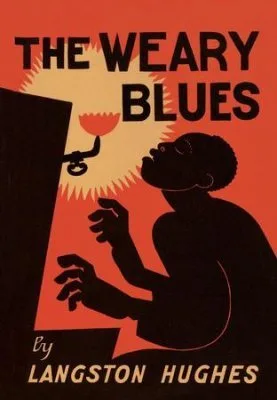
Langston Hughes’s first poetry collection, The Weary Blues, gathers poems shaped by the artistic energy and cultural life of the Harlem Renaissance. Its 68 poems are arranged in seven thematic sections, creating a varied portrait of a young artist and the people and places around him. The title poem follows a musician performing in a bar, with a lyrical, musical flow that reflects the collection’s attention to sound and performance.
Across the collection, Hughes writes about art, identity, race, class, urban life, and the Black experience in 1920s America. The poems range in subject and mood, moving among reflections on history and belonging, dreams and aspiration, and the pressures of everyday life. Works including “The Negro Speaks of Rivers,” “Danse Africaine,” “Dream Variation,” “Mother to Son,” “Suicide’s Note,” and “Winter Moon” demonstrate the collection’s breadth.
A landmark of early twentieth-century American poetry, The Weary Blues is suited to readers exploring the Harlem Renaissance, Black literature, and the musical possibilities of poetic language. It also offers a concise entry point for students and general readers interested in Hughes’s treatment of cultural identity and artistic expression.