The Uninhabitable Earth: Life After Warming
PLUS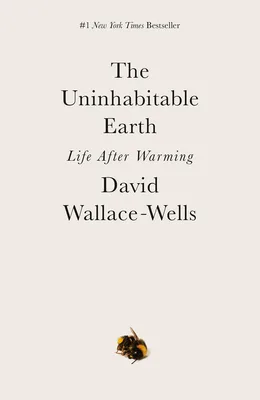
Details
Book description
David Wallace-Wells’s The Uninhabitable Earth examines the possible consequences of global warming and the ways climate change could reshape life in the near future. Rather than focusing only on rising seas, the book considers a wider range of risks, including food shortages, refugee emergencies, climate conflict and economic devastation. Its central concern is how these pressures may affect societies and the people living through them.
The book connects environmental change to questions of politics, technology, nature, capitalism and human progress. Its approach is both an exploration of possible futures and a meditation on what warming could mean for the structures and assumptions of modern life. The result is an urgent account of climate risk that places environmental disruption in a broad social and political context.
Alongside its examination of potential consequences, The Uninhabitable Earth makes a case for action. It frames the effort to avert catastrophe as a responsibility borne by the present generation, emphasizing the significance of choices made now. The tone is impassioned and cautionary, intended to confront readers with the scale of the challenge while underscoring that the future is not simply a matter of distant speculation.
This book will interest general readers seeking an accessible, wide-ranging account of climate change and its implications, as well as readers concerned with environmental studies, public policy and the future of society. It is nonfiction rather than fiction, combining discussion of climate risks with reflection on how people and institutions might respond.