Details
Book description
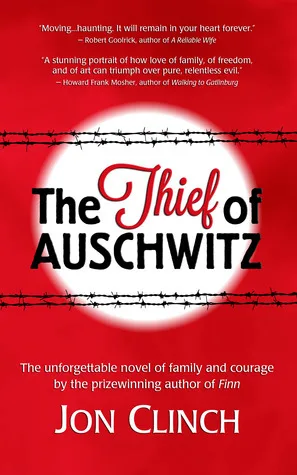
Jon Clinch’s novel follows two interwoven journeys: one into Auschwitz with Jacob, Eidel, Max, and Lydia Rosen, and another into the later life of Max, an elderly survivor whose past holds a secret he has kept from the art world and perhaps from himself. The book moves between the family’s experience in the camp and Max’s life as a renowned painter preparing for a retrospective at Washington’s National Gallery.
At its center are memory, secrecy, and the bonds of a family forced to endure the unendurable, both together and apart. The paired narratives connect a history of persecution and survival with the complicated work of living in its aftermath. Max’s public identity as an artist stands alongside the private history he has withheld, making the novel attentive to the distance between what is shown and what remains concealed.
The story is presented through an expansive, emotionally engaged approach that joins historical experience to intimate family drama. Its structure alternates between the Auschwitz narrative and the older Max’s perspective, gradually bringing the strands of his life and the family’s story into relation. The novel addresses a profoundly dark period in history through the experiences of its named characters, while exploring how trauma and memory shape a life long after the events themselves.
The Thief of Auschwitz is suited to readers of historical and literary fiction, especially those interested in World War II, Holocaust narratives, family relationships, and stories about artists confronting the past. The subject matter is grave, and the novel’s focus on a death camp makes it best suited to readers prepared for emotionally challenging historical fiction.