The Shallows: What the Internet Is Doing to Our Brains
PLUS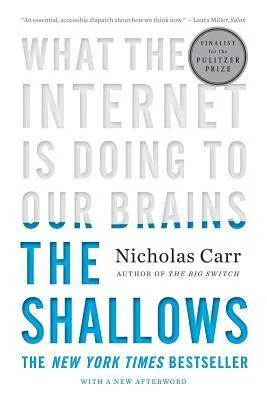
Details
Book description
In The Shallows, Nicholas Carr examines how the internet may be changing the way people think. The book develops a question first raised in Carr’s Atlantic Monthly essay: as online life gives us access to abundant information, might it also make sustained reading and deep thought harder? Carr explores the intellectual and cultural consequences of this shift, connecting everyday habits of browsing and searching with broader questions about attention, knowledge, and intelligence.
Carr places digital media in a long history of tools that shape the mind, considering technologies such as the alphabet, maps, the printing press, clocks, and computers. He combines this history with discussion of neuroscience research on the brain’s capacity to change in response to experience. His central argument is that information technologies are not neutral: each carries assumptions about how knowledge should be found, organized, and used.
The book contrasts the focused attention encouraged by print reading with the internet’s rapid movement among short pieces of information. Carr argues that online habits can strengthen scanning and skimming while making concentration, contemplation, and reflection more difficult. The discussion draws on ideas from thinkers including Plato and Marshall McLuhan, and uses historical vignettes to make its examination of technology and thought accessible.
Part intellectual history, part popular science, and part cultural criticism, The Shallows is suited to readers interested in neuroscience, reading, media, and the effects of digital technology on everyday life. It offers a sustained case for considering not only what the internet helps us do, but also how its patterns of use may influence the way we attend and think.