Details
Book description
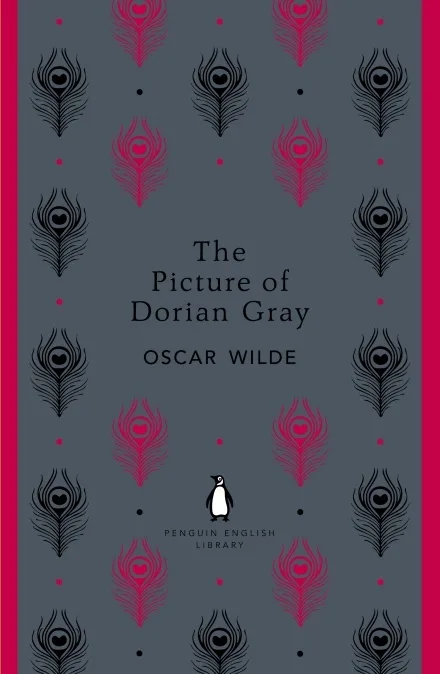
Oscar Wilde’s The Picture of Dorian Gray follows a young man whose fascination with his own beauty leads him to make a supernatural bargain: he will remain youthful while his portrait bears the marks of his actions. As Dorian pursues his desires and seeks to preserve his standing in society, the image becomes a hidden record of the moral deterioration he refuses to acknowledge.
Lord Henry Wotton’s influence helps shape Dorian’s outlook, while the contrast between the apparently respectable man and the changing portrait gives the novel its central tension. Wilde uses this divided existence to examine the conflict between outward appearance and inner life, and to question what happens when pleasure and self-interest are pursued without regard for their consequences.
The novel is also a critique of darker aspects of late Victorian society, exploring secrecy, social respectability and forbidden transgression. Its unsettling supernatural premise gives these concerns a chilling edge, while the portrait serves as a powerful image of a soul confronting the consequences of its choices.
A landmark work of Gothic and literary fiction, The Picture of Dorian Gray is suited to readers interested in classic novels, moral ambiguity, aestheticism and stories that probe the relationship between beauty, identity and conscience.