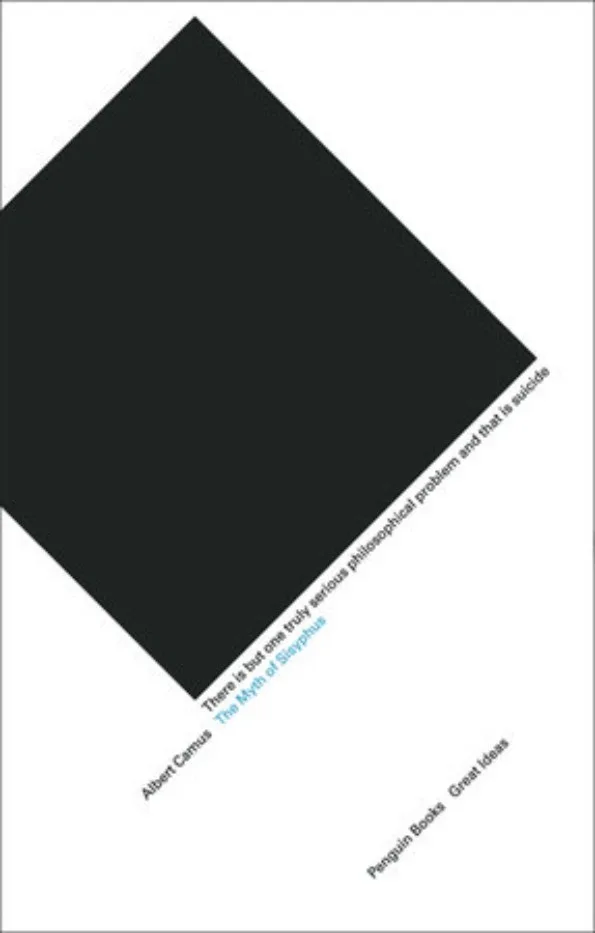
Details
Book description
In The Myth of Sisyphus, Albert Camus confronts a stark philosophical question: whether life is worth living in a universe that offers no assured order or meaning. The essays begin with a meditation on suicide, treating it not as an abstract puzzle but as a challenge that demands a response to the conditions of human existence.
Camus develops this inquiry through a consideration of the absurd—the tension between people’s desire for meaning and the apparent indifference of the world. Rather than offering easy consolation, the work examines how a person might face that tension and affirm existence. Its central concern is the possibility of living without relying on a guaranteed purpose.
The collection is presented in a style marked by lyric eloquence and draws on literary influences including Don Juan and the novels of Kafka. It brings philosophical reflection into conversation with literature, making its argument through essays rather than a conventional narrative. The result is both a sustained examination of despair and an exploration of how clear-eyed acceptance can shape a way of life.
This book will appeal to readers interested in existentialist thought, the philosophy of meaning, and literature that engages with fundamental questions about life and death. It is suited to readers seeking a substantial introduction to Camus’s reflections on the absurd, as well as those exploring philosophical essays that connect abstract ideas to the experience of living.