Details
Book description
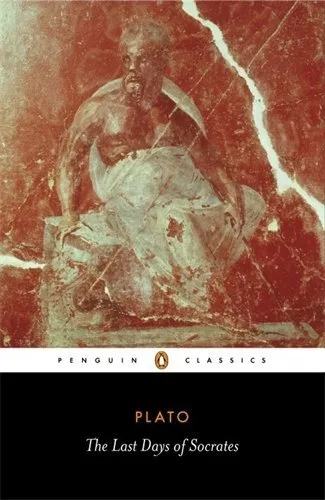
In four dialogues, Plato presents the trial, imprisonment and death of Socrates through conversations that test ethical beliefs and the demands of a philosophical life. Rather than treating these works as straightforward records of events, readers encounter carefully shaped arguments that continue to raise questions about justice, responsibility and how to live.
In Euthyphro, Socrates debates piety with an acquaintance outside the courthouse. The Apology gives his response to accusations of impiety and of corrupting the young, and offers a defence of philosophy as a way of life. In Crito, he considers whether he should escape prison, answering friends who urge him to flee. Phaedo turns to the final hours and to arguments concerning the soul’s immortality, as Socrates faces death with composure.
Together, the dialogues move from public accusation to private reflection, showing philosophical inquiry at work under the pressure of judgment and loss. Their dramatic exchanges make difficult ideas accessible through questions, objections and replies, while inviting readers to examine their own assumptions about piety, law, moral duty and mortality.
This volume is suited to readers of classical philosophy and ancient Greek thought, as well as students encountering Plato or Socrates for the first time. It offers a focused introduction to a foundational episode in Western philosophy and a lasting exploration of what it means to defend a life guided by reason.