The Happiness Hypothesis: Finding Modern Truth in Ancient Wisdom
PLUS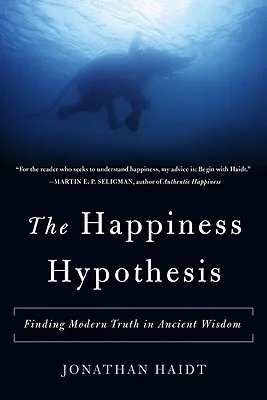
Details
Book description
In The Happiness Hypothesis, social psychologist Jonathan Haidt brings philosophical traditions into conversation with modern scientific research to explore how people can live well. The book examines ten enduring ideas found across several civilizations, asking what each can still teach us in light of what is now known about human nature and flourishing.
Haidt revisits familiar maxims, including “Do unto others as you would have others do unto you” and “What doesn’t kill you makes you stronger.” Rather than treating these sayings as self-evident answers, he considers their wisdom and limits, drawing out lessons that may help readers understand themselves and their relationships. The inquiry addresses a fundamental question: how can a person live a meaningful life?
Combining philosophical reflection with evidence from psychology and related scientific research, Haidt offers an accessible exploration of happiness, morality, and human flourishing. The book’s approach is both comparative and practical: it looks across traditions for insights that remain relevant while considering them through a contemporary understanding of the mind and behavior.
This book is suited to readers interested in psychology, philosophy, and the science of well-being, especially those who enjoy thoughtful, readable explorations of big questions about how to live. It offers a bridge between ancient wisdom and modern inquiry rather than a single formula for happiness.