Details
Book description
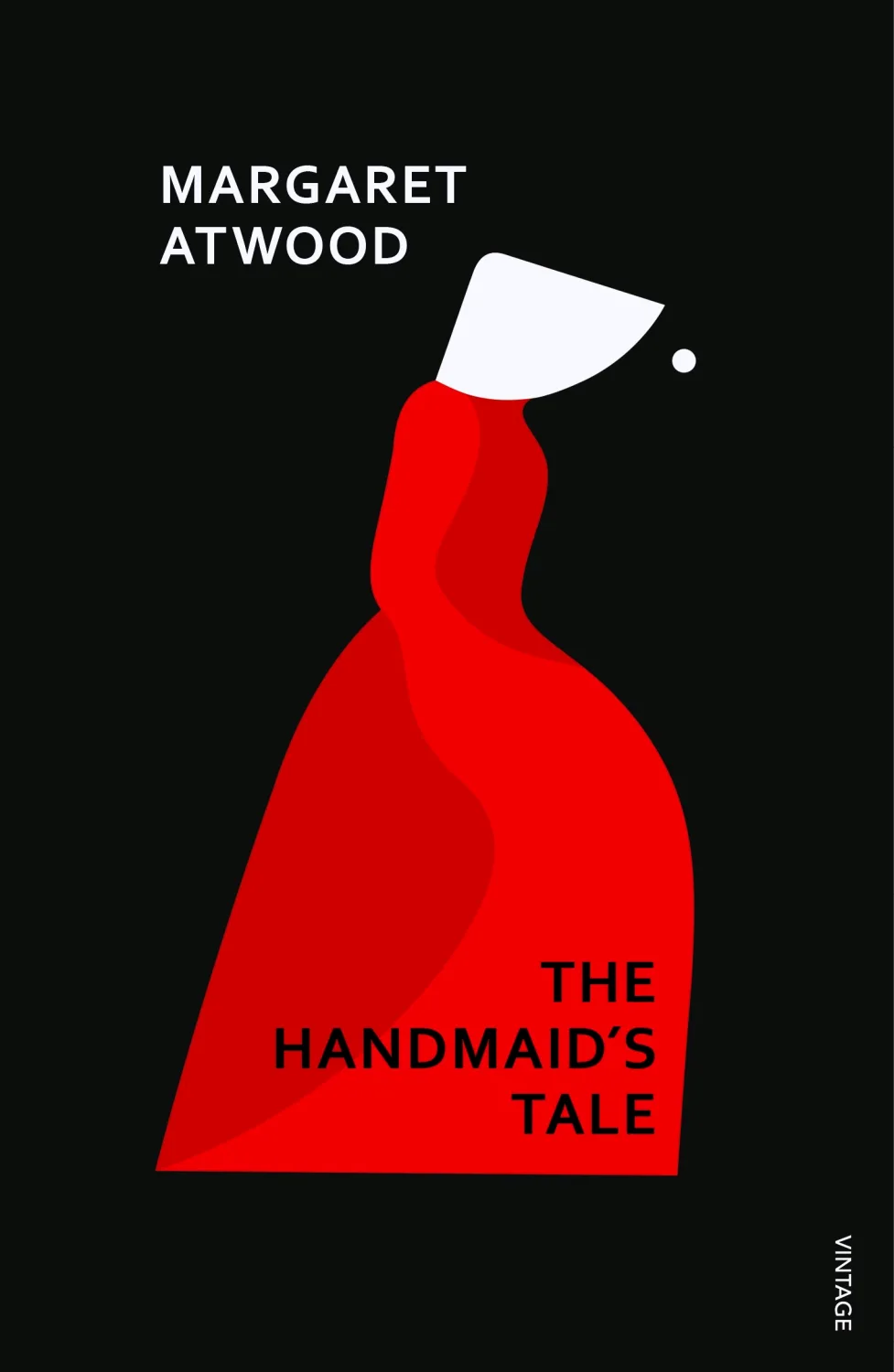
Set in a near-future society formed from what was once the United States, The Handmaid’s Tale imagines the Republic of Gilead: a theocratic regime that responds to social upheaval and a declining birthrate by imposing severe restrictions on its population. Its leaders invoke the Book of Genesis to justify a rigid social order, with especially devastating consequences for women.
The story is told through Offred, a Handmaid whose role is defined by the regime. Through her perspective, the novel looks beneath Gilead’s composed public image to the fear, control and compromises that sustain it. Atwood presents this world not as an isolated fantasy, but as a chilling extension of tendencies already present in society.
Atwood’s prose is condensed and eloquent, moving between cool observation, tenderness, despair, passion and wry humor. The novel combines speculative world-building with political satire and a sustained examination of power, gender and religious authoritarianism. Its disturbing premise and carefully controlled voice make the story both intimate and unsettling.
This is a compelling choice for readers of dystopian and speculative fiction, particularly those interested in feminist themes, political power and the consequences of social change. Rather than offering easy reassurance, The Handmaid’s Tale serves as a forceful warning about how quickly rights and freedoms can be recast as instruments of control.