The Great Influenza: The Story of the Deadliest Pandemic in History
PLUS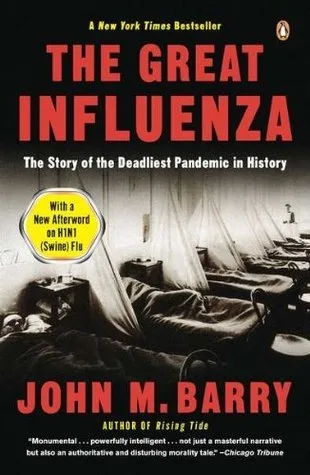
Details
Book description
The Great Influenza is John M. Barry’s account of the 1918 influenza pandemic, a catastrophe that unfolded during World War I and became one of the deadliest outbreaks in human history. Barry traces the virus from an army camp in Kansas as it moved east with American troops and spread around the world, examining the scale of the disaster and its place in the history of epidemic disease.
The book sets the pandemic at a turning point for science, when researchers and physicians were confronting epidemic disease with developing knowledge and methods. Its broad historical perspective connects the spread of influenza to the conditions of wartime America, while its detailed research explores how people sought to understand and respond to a fast-moving public-health crisis.
Barry also draws attention to the responsibilities of those in authority during an epidemic. A central theme is the importance of public trust: communicating honestly, rather than minimizing danger or manipulating information, is presented as essential to helping people face a crisis. This emphasis gives the history a moral and civic dimension alongside its account of disease and scientific inquiry.
Written as a sweeping, deeply researched work of popular history, The Great Influenza is suited to readers interested in pandemics, medical history, public health, and the relationship between science and society. Its account of 1918 also offers historical perspective on the challenges that accompany epidemic threats.