Details
Book description
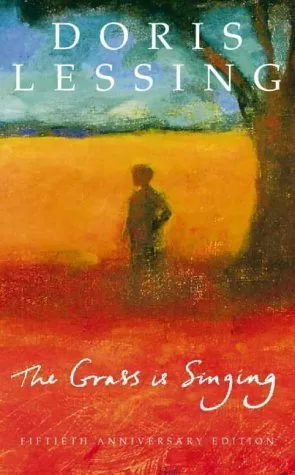
Doris Lessing’s debut novel is set in Southern Rhodesia, now Zimbabwe, during the 1940s, amid the racial hierarchy of British colonial rule. Mary Turner, an independent young woman, marries a struggling farmer and moves to his remote farm. There, financial strain, isolation, and restrictive social expectations contribute to her growing unhappiness and psychological unravelling. The arrival of Moses, a Black servant, brings the unequal relationship between white settlers and Black Africans into the center of the household’s tensions.
The novel’s framing of a violent death leads into the events that precede it, tracing the pressures and dependencies that take shape on the farm. Lessing connects the private breakdown of a marriage to wider systems of colonial power, racial prejudice, and gender constraint. Rather than treating these forces as background, she shows how they shape daily life and relationships, with consequences for both personal identity and human dignity.
Written in a restrained, matter-of-fact style, The Grass Is Singing is noted for its psychological acuity and social analysis. Its portrait of Mary’s disintegration is set against a critical examination of an unequal society, making the novel both an intimate study of unhappiness and a critique of colonial rule. Readers interested in literary fiction, colonial history, race relations, and the pressures placed on women will find a challenging, focused work that links individual suffering with its social setting.