Details
Book description
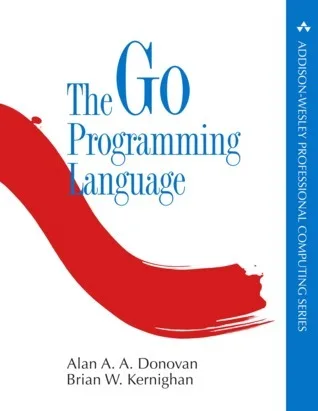
The Go Programming Language is a practical guide to writing clear, idiomatic Go and applying it to real programming tasks. Designed for readers who are new to Go, it also does not require experience with any particular programming language, making the material accessible to programmers coming from backgrounds such as Python, Java, Ruby, JavaScript, or C++.
The opening tutorial introduces Go through examples involving file input and output, text processing, graphics, and web clients and servers. From there, the book develops the language’s foundations, including syntax, control flow, data types, and the way programs are organized into packages, files, and functions. Examples draw on the standard library and demonstrate how to create reusable packages, while later material addresses building, testing, and maintaining projects with the go tool.
Further chapters explain Go’s approach to methods and interfaces, using practical examples to explore encapsulation, composition, and substitutability. Dedicated coverage of concurrency introduces goroutines and channels, then examines concurrency with shared variables. The final topics include reflection, the unsafe package, and cgo for connecting Go programs with C libraries. Hundreds of code examples and chapter exercises support readers as they learn the language and investigate alternative solutions.
This book is suited to programmers learning Go, developers seeking a systematic reference to its language features and standard library, and readers who want a foundation in Go’s concurrency model. Its step-by-step progression and practical examples make it useful both for focused study and for returning to specific topics while building and maintaining Go software.