Details
Book description
Inspired by a real modernist house in Czechoslovakia, Simon Mawer’s novel follows the Landauer House and the people whose lives become bound to it. Built on a hill for newlyweds Viktor and Liesel Landauer, the house is a striking composition of steel, glass and onyx. Its Glass Room, designed to embody clarity and precision, becomes a setting in which private desire and public history meet.
The story begins in 1930, when Viktor, a Jew, and Liesel, a gentile, make their home there. As the approach of the Second World War transforms their circumstances, the family is forced to flee, accompanied by Viktor’s lover and her child. Their departure does not end the house’s story: as it changes hands, its occupants reflect the upheavals of Central and Eastern Europe, including shifts from Czech to Russian control.
Mawer connects architectural form with human experience, using the house’s austere beauty as a lens on science, lust, confession, fear and historical change. The novel’s movement across successive lives and political eras gives its central setting a lasting presence, while its attention to design and domestic life grounds the broader history in intimate relationships. The result is a work of literary historical fiction concerned with how places absorb the stories of those who inhabit them.
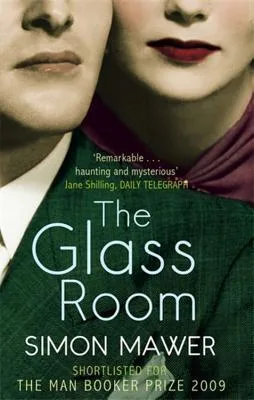
The Glass Room is suited to readers of literary and historical fiction, especially those interested in modernist architecture, European history and the intersection of private lives with political upheaval. It was shortlisted for the Booker Prize.