The Evolution of Everything: How New Ideas Emerge
PLUS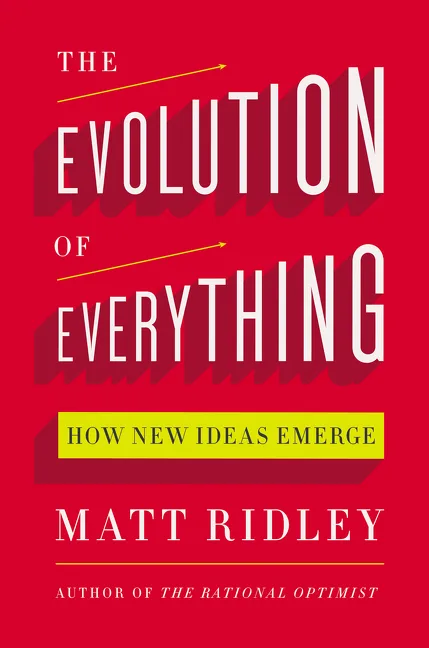
Details
Book description
In The Evolution of Everything: How New Ideas Emerge, Matt Ridley argues that much of human society changes through evolution rather than central design. Technology, language, morality, and institutions, he suggests, develop incrementally and spontaneously through the interactions of many people—not solely through the plans of rulers, experts, or other authorities.
Drawing on examples from science, economics, history, politics, and philosophy, Ridley examines how this bottom-up process can produce change through experimentation and trial and error. He considers developments including the Industrial Revolution, cell phones, the Internet, language, and common law as outcomes that emerged over time rather than as the execution of a single blueprint.
The book also applies this evolutionary perspective to changing moral judgments. Ridley discusses how views of practices such as slavery, racism, and torture have shifted, presenting morality as something shaped through social interaction. Across these subjects, his central case is that human action can generate patterns and institutions that no individual intended or designed.
Written as a wide-ranging argument about how ideas and societies change, the book will interest readers of social science, economics, history, technology, and philosophy, particularly those curious about spontaneous order and the limits of top-down planning.