Details
Book description
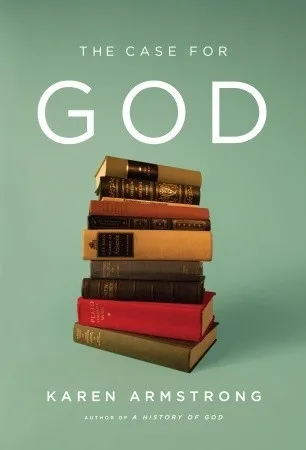
Karen Armstrong traces the changing human understanding of God and sacred reality from the Paleolithic age to the present. Drawing on traditions that have named the sacred in many ways—including God, Brahman, Nirvana, Allah, and Dao—she explores how religious ideas and practices have developed alongside changing societies and individual needs.
The book focuses especially on Christianity while also considering Judaism, Islam, Buddhism, Hinduism, and Chinese spiritualities. Armstrong examines why religion has lost appeal for many people in the 21st century and why believers and atheists alike may approach God differently from earlier generations. Her account places these questions in a broad historical and comparative context rather than treating faith as a single, unchanging doctrine.
At the heart of the book is an argument for drawing on the insights of religious traditions to help form a faith responsive to a polarized age. Armstrong also distinguishes the purposes of religion from those of reason: religion, she cautions, was not intended to answer questions that human reasoning can address. The result is a wide-ranging work of religious history and reflection on the limits and possibilities of faith.
Written for readers interested in religion, philosophy, and the history of ideas, The Case for God offers an accessible entry into debates about belief, doubt, and the role of the sacred in modern life. Its comparative scope makes it relevant to readers seeking to understand both the roots of religious traditions and the challenges they face today.