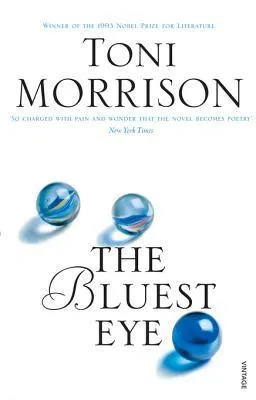
Details
Book description
In Toni Morrison’s first novel, Pecola Breedlove, an 11-year-old Black girl, longs for blue eyes. In a society that prizes blond, blue-eyed children, she imagines that changing her appearance will make her beautiful, bring her attention and transform her world. The novel follows the painful yearning at the heart of that wish and its devastating consequences.
Morrison examines how ideals of beauty and conformity can shape a child’s sense of self. Race, class and gender are central to the story, which asks how social values affect those excluded from the images a culture celebrates. Pecola’s longing gives the novel its focus, while the tragedy surrounding its fulfillment exposes the human cost of those pressures.
The writing is described as precise and faithful to speech, yet charged with pain and wonder. That combination gives the novel a poetic quality while addressing difficult material with subtlety and grace. Rather than offering an easy resolution, it invites readers to consider how beauty standards become bound up with belonging, recognition and personal worth.
The Bluest Eye is suited to readers of literary fiction interested in race, identity and the social forces that influence self-image. It can also support discussion in courses and reading groups focused on American literature, gender, class and cultural ideals of beauty.