Details
Book description
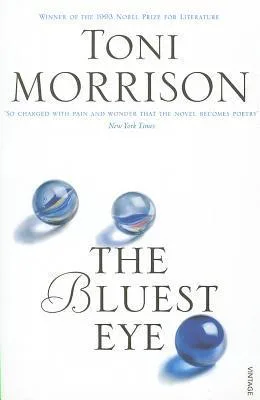
In Toni Morrison’s first novel, Pecola Breedlove is an eleven-year-old Black girl who longs for blue eyes. In a society that prizes blond, blue-eyed children, she believes that changing her appearance would make her beautiful, draw the attention she craves, and transform her world. The novel traces the anguish within that yearning and the tragedy of its fulfillment.
Through Pecola’s experience, Morrison examines how ideals of beauty and conformity shape a child’s sense of worth. Race, class, and gender are central to the book’s exploration of the pressures imposed on Black girls and the damage those pressures can cause. The story also asks readers to consider how a community and its wider culture participate in defining who is seen, valued, or excluded.
Morrison writes with precision and emotional intensity, bringing poetic force to painful material. Rather than treating beauty as a simple matter of appearance, the novel reveals its connection to belonging, attention, and power. Its subtle, searching approach invites reflection on the ways cultural standards can become internalized—and on the human cost of measuring lives against them.
A landmark work of literary fiction, The Bluest Eye is suited to readers interested in Black experience, social expectations, and psychologically resonant novels. Its difficult themes make it especially appropriate for readers prepared to engage with an unflinching examination of beauty, identity, and the consequences of prejudice.