Details
Book description
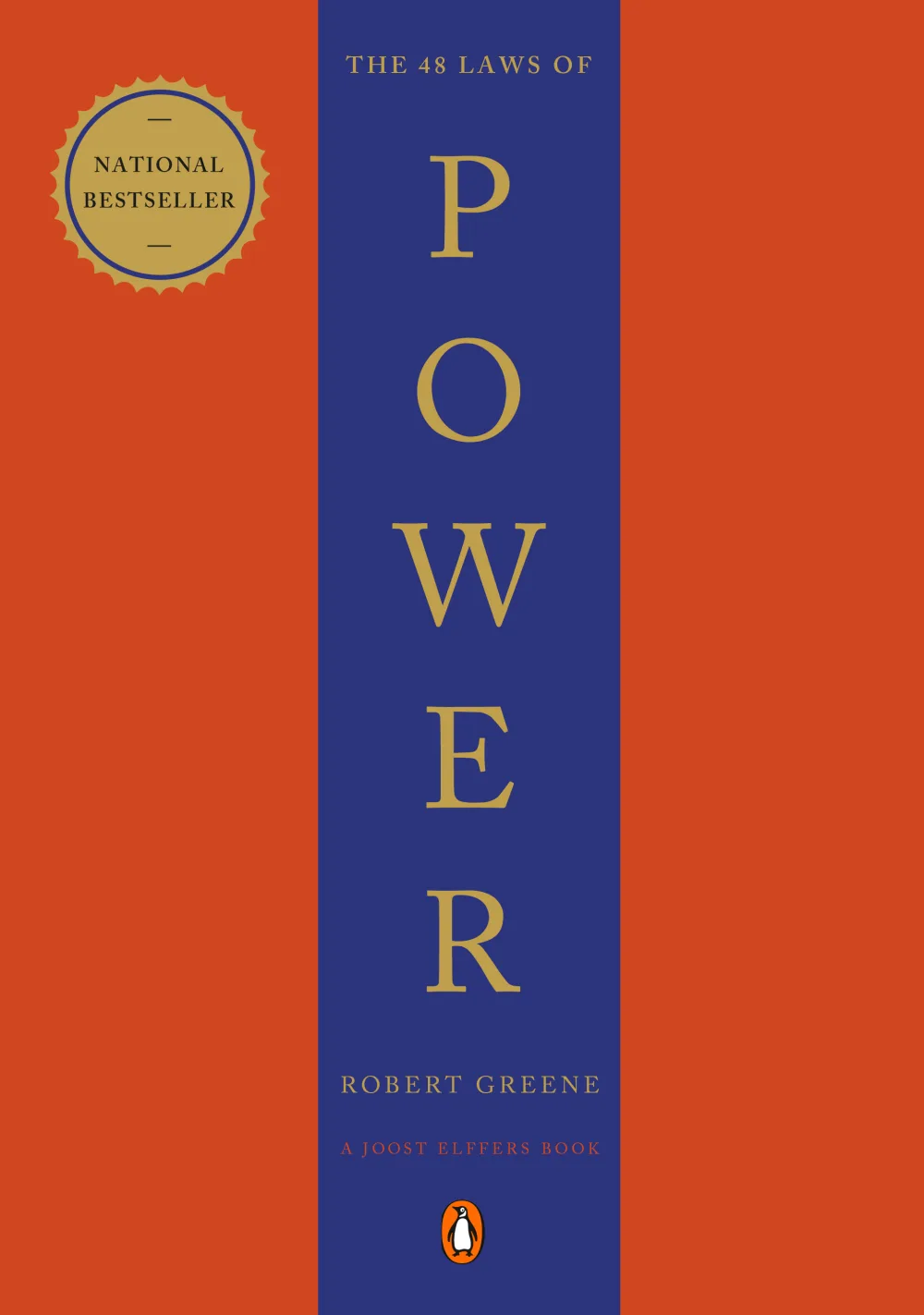
In The 48 Laws of Power, Robert Greene presents a study of how power is gained, exercised, observed, and resisted. The book distils three thousand years of history into forty-eight concise laws, drawing together ideas associated with thinkers including Machiavelli, Sun-tzu, and Carl von Clausewitz. Its approach is deliberately unsentimental: the laws describe strategies for navigating competition and influence rather than offering a conventional moral code.
The principles range from caution and restraint to concealment and uncompromising action. Examples drawn from the lives and tactics of historical figures—including Queen Elizabeth I and P. T. Barnum—illustrate how people have wielded power or become subject to it. These cases give the book a historical dimension while connecting its ideas to real-life situations.
Bold in tone and designed to provoke discussion, the book invites readers to consider the mechanics of influence from more than one position: someone seeking greater control, someone trying to understand the behavior of others, or someone wishing to recognize and defend against manipulation. Its subject matter includes ambition, strategy, reputation, and the unequal dynamics of social and professional relationships.
This is a work of practical strategy and historical interpretation for readers interested in power and human behavior. It may appeal to those studying leadership, negotiation, and influence, as well as readers who want to examine the darker, more calculating side of interpersonal dynamics. The laws are presented as tools for observation and action, leaving readers to judge how—or whether—to apply them.