Talking to Strangers: What We Should Know About the People We Don't Know
PLUS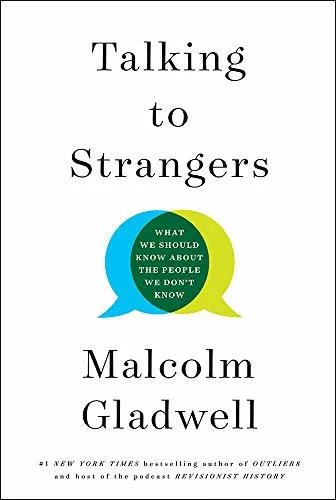
Details
Book description
In Talking to Strangers, Malcolm Gladwell examines why encounters with people we do not know so often lead to misunderstanding. Drawing on history, psychology, and cases reported in the news, he questions the assumptions and strategies people use to interpret unfamiliar behavior—and considers the consequences when those judgments go wrong.
The book explores a range of high-profile stories, including deception involving Bernie Madoff, the trial of Amanda Knox, the death of Sandra Bland, and the Jerry Sandusky scandal at Penn State University. It also considers historical encounters involving Fidel Castro and Neville Chamberlain, alongside questions about campus sexual assault and the influence of television sitcoms on how people relate to one another. These varied examples serve as starting points for examining the limits of reading strangers accurately.
Written as an intellectual investigation rather than a conventional handbook, the book moves across social science, psychology, history, and contemporary public controversies. Gladwell challenges readers to reconsider what they believe they can infer about another person, and how confidence in those interpretations can contribute to conflict. Its approach is provocative and designed to prompt debate about trust, communication, and the conditions that shape human judgment.
This book is suited to readers interested in popular social science, psychology, and the ways people make decisions about others. It may also appeal to readers who enjoy narrative nonfiction that connects individual cases with broader questions about society and interpersonal understanding.