Details
Book description
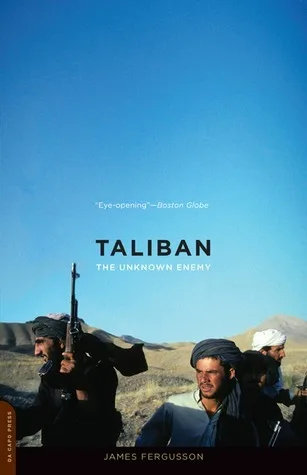
James Fergusson examines the Taliban’s rise from a small group of religious students formed in 1994 to a national movement that took control of Afghanistan. The account also considers the movement’s fall from power after the United States-led overthrow of its regime in 2001 and its continued insurgency in the years that followed. Its focus is the Taliban as a political and religious movement, and its place in Afghanistan’s modern conflict.
Drawing on access to Taliban leaders, Fergusson seeks to present a more informed account of the group than the portrayals he says are common in the press. The book addresses the movement’s leadership under Mullah Omar and the theocratic system it established through strict observance of Sharia law. It also considers how the Taliban endured after its removal from government, challenging the assumption that the 2001 intervention had decisively defeated it.
The discussion connects the Taliban’s history to the wider conflict in Afghanistan and to the strategy pursued by the United States. Fergusson offers conclusions about that strategy intended to prompt reconsideration of how the conflict is understood. The result is a work of political and historical analysis centered on the movement’s development, governance, and return as an insurgent force.
This book is suited to readers seeking a detailed account of the Taliban and the modern history of Afghanistan, as well as those interested in insurgency, political Islam, and the challenges of foreign policy. It may be particularly useful to readers looking beyond short news accounts for context on the movement and the conflict it has sustained.