Details
Book description
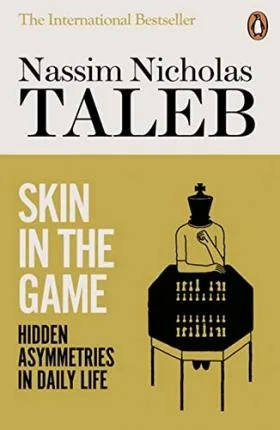
In Skin in the Game: Hidden Asymmetries in Daily Life, Nassim Nicholas Taleb examines how risk, reward and responsibility are connected. His central argument is that people who make decisions should also bear meaningful consequences when those decisions go wrong. When gains accrue to one party while risks are passed to others, Taleb argues, the imbalance undermines fairness and encourages poor judgment.
Using examples that range across history, finance, politics, religion and everyday choices, Taleb applies this principle to institutions and individual conduct. He questions the judgment of influential experts and decision-makers who can avoid the costs of their errors, and considers why personal commitment and exposure to risk can make actions more credible. The book also explores the roles of minority influence, ethical boundaries and practical simplicity in shaping social life.
Taleb presents these ideas in an accessible, iconoclastic style, combining broad cultural references with challenges to conventional assumptions. Rather than treating “skin in the game” as only a business or financial expression, he develops it as a way to assess responsibility and incentives across many areas of life. The result is an argument about how risk-sharing can help distinguish accountable action from claims made without personal stakes.
The book is suited to readers interested in philosophy, decision-making, social fairness and the ways incentives shape institutions. It may particularly appeal to those seeking a critical perspective on finance, public policy, expertise and personal responsibility.