Details
Book description
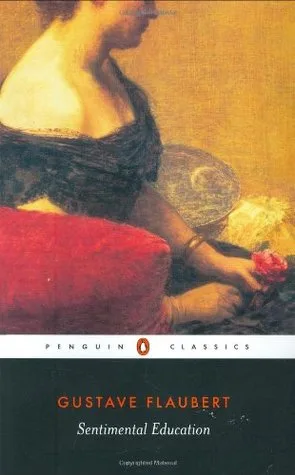
When Frédéric Moreau first sees Madame Arnoux, he believes he has found his romantic destiny. Yet as he follows his hopes into Paris, the young student struggles to turn desire into action. His ambitions are also pulled toward the political upheavals before the Revolution of 1848 and toward three other women: a society lady, a courtesan, and a country girl, each with her own claim on his affections.
Through Frédéric’s divided attention, Gustave Flaubert portrays young men trying to preserve their ideals amid a city shaped by corruption, consumerism, and disenchantment. Romantic longing and political aspiration become intertwined with questions of whether personal convictions can survive the pressures of social life. The novel’s view of its characters is unsparing, yet marked by an unexpectedly intense sympathy.
Flaubert combines realism with thoroughgoing irony, while innovations in narrative plot and perspective contribute to the book’s significance in the development of literary modernism. Its portrait of frustrated desire and compromised ideals makes it a searching study of individual ambition as well as a depiction of a generation and its changing society.
This novel will suit readers of classic and literary fiction, especially those interested in nineteenth-century French society, political change, realism, and psychologically observant stories of love and disillusionment.