Details
Book description
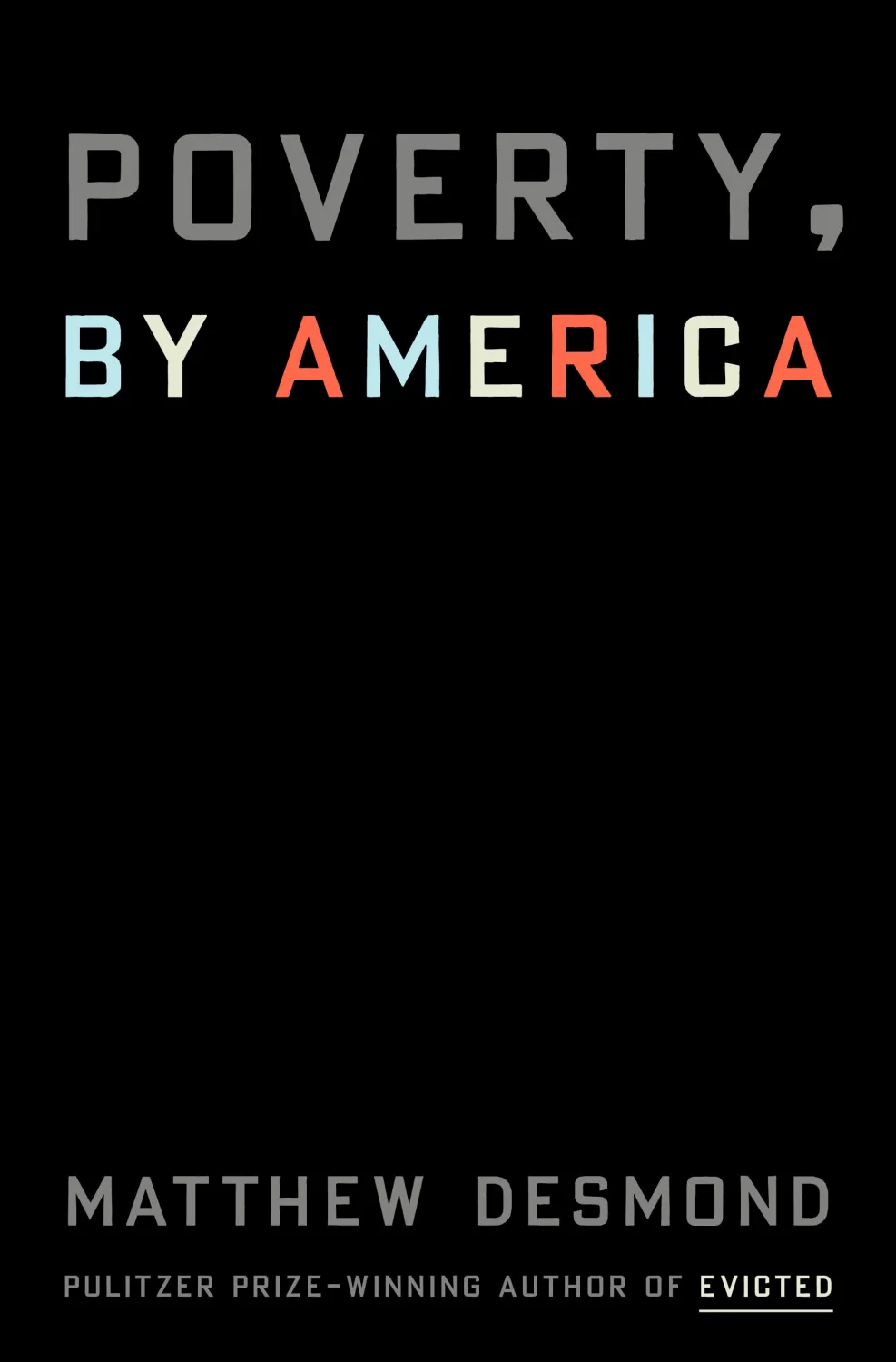
In Poverty, by America, sociologist Matthew Desmond asks why poverty persists in the United States, one of the world’s wealthiest nations. Drawing on history, research and original reporting, he challenges explanations that focus only on the circumstances of people experiencing poverty. His central argument is that poverty is sustained in part by the choices and advantages of people and institutions that benefit from it.
Desmond examines how financially secure Americans can contribute to poverty through low wages, costly housing and limited access to cash and credit. He also considers public policies that, he argues, subsidize wealth more generously than they alleviate poverty, alongside communities that concentrate opportunity in some places while leaving hardship concentrated in others. The book connects these forces to a broader question: how are economic arrangements shaped by what society accepts as normal and advantageous?
Written as an accessible, forcefully argued work of social analysis, the book combines evidence with a moral and political challenge. Desmond asks readers to reconsider their own relationship to poverty and proposes a collective effort to end it, which he describes as becoming “poverty abolitionists.” The discussion moves from diagnosing the systems that perpetuate hardship toward imagining a more shared prosperity.
This book is suited to readers interested in American poverty, inequality, housing, wages and public policy, as well as students and general readers seeking an evidence-based argument about the social structures behind economic hardship. Its direct style and broad scope make it a starting point for reflection and discussion about responsibility, opportunity and what meaningful change might require.