Platonic: How the Science of Attachment Can Help You Make—and Keep—Friends
PLUS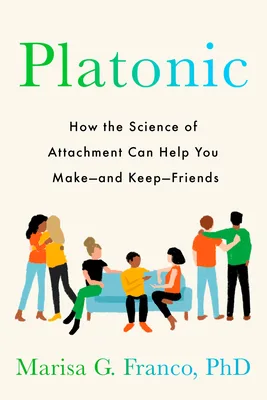
Details
Book description
Friendship can be a source of belonging and fulfillment, but building close connections is not always effortless. In Platonic, psychologist Marisa G. Franco explores how attachment science can help people make new friends and strengthen the relationships they already have. She places friendship in a culture that often gives romantic love greater attention, while many people are seeking connection amid distraction, burnout, and social uncertainty.
The book introduces three attachment styles—secure, anxious, and avoidant—and considers how they can shape the way people approach friendship. Franco also challenges familiar assumptions about social life, including the idea that friendships simply happen on their own. Her account emphasizes that, like other meaningful relationships, friendship grows through care and effort. It offers a reassuring perspective on common experiences, such as a friend not responding to a message, without treating them as proof of rejection.
Drawing on research about attachment and friendship, Platonic presents practical ways to improve the number and quality of a person’s connections. Its focus is both outward and reflective: readers can consider what is working or difficult in their friendships, develop new relationships, and deepen longstanding ones. The book frames these skills as relevant at any age and connects stronger social bonds with greater happiness and fulfillment.
Written for readers who want to understand their friendship patterns and create more lasting connections, Platonic combines psychological insight with actionable guidance. It may be especially useful to people navigating loneliness, changing social circumstances, or the challenge of turning casual acquaintances into meaningful friendships. Rather than promising effortless closeness, it makes a case for approaching friendship with greater understanding, intention, and openness.