Operation Paperclip: The Secret Intelligence Program that Brought Nazi Scientists to America
PLUS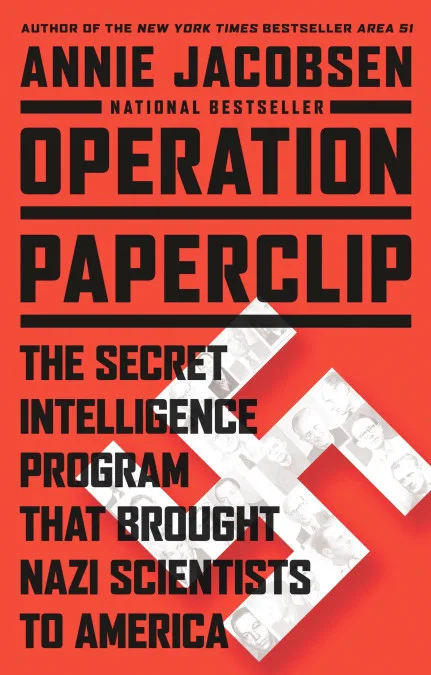
Details
Book description
In the aftermath of World War II, the United States faced a fraught question: what should it do with the German scientists whose expertise had helped power the Third Reich’s military machine? Operation Paperclip was the covert effort to bring many of those scientists and their families to America. Annie Jacobsen examines the program and the difficult bargain behind it: some recruits were accused of war crimes or had stood trial at Nuremberg, yet their knowledge contributed to advances in rocketry, medical treatments, and the U.S. space program. The book asks whether the program was a moral outrage or a strategic necessity in the emerging Cold War.
Drawing on interviews with Paperclip family members, colleagues, and interrogators, as well as German archival materials and government records, Jacobsen traces more than a dozen scientists through their postwar lives. Her account connects individual stories to a secret government program that endured for decades, exploring how national-security aims shaped decisions about accountability, scientific expertise, and the legacy of Nazi Germany.
A work of investigative history, the book presents a detailed and unsettling examination of the compromises made in the name of security. It is suited to readers interested in World War II and its aftermath, Cold War policy, intelligence operations, the history of science, and the ethical consequences of recruiting former enemies. Readers seeking a documented account of the origins and impact of Operation Paperclip will find a complex history rather than a simple verdict.