Details
Book description
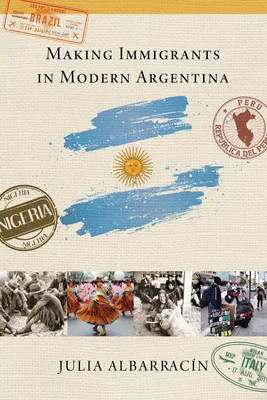
Making Immigrants in Modern Argentina examines how Argentina has selected, received, and governed immigrant populations across its history. Julia Albarracín argues that immigration policy emerges from the interaction of state decision-making with economic, cultural, and international influences. The book traces the country’s early preference for Western European immigrants as part of a national project, while also considering the arrival and presence of Latin American, Jewish, and Middle Eastern communities.
The study connects this history to contemporary debates over immigration and belonging. It considers public claims linking Latin American immigrants with crime, drug violence, and shantytown growth, and analyzes the 2017 executive order that rolled back some rights granted to immigrants under a 2003 law. Albarracín examines the roles of Argentina’s executive and legislative branches in shaping policy, situating these decisions within broader political and social pressures.
Drawing on research into immigration policy over 150 years, five decades of media coverage, surveys with congresspersons, and interviews with policymakers, the book investigates how immigration decisions are made—not only what causes migration or what results from it. Its comparative perspective also broadens the study of immigration beyond countries that are more commonly the focus of scholarship.
Written for scholars, students, and general readers, this work will interest readers exploring immigration, democratization, race, nationalism, media representation, and Latin American history and politics. Its historical and policy-focused approach offers a foundation for understanding how public narratives and government institutions shape the treatment of immigrant communities in modern Argentina.