Details
Book description
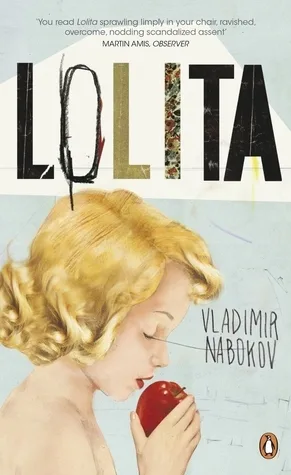
Vladimir Nabokov’s Lolita is narrated by Humbert Humbert, an aging European whose obsessive desire for Dolores Haze shapes the novel’s disturbing central relationship. The story follows his fixation and its consequences, presenting a deeply unsettling subject through a voice marked by cultivated language, wit, and self-dramatization.
The novel brings together horror and mordant humor, heartbreak and satire. Its account of a hypercivilized European confronting postwar America also gives the story a broader cultural dimension, setting Humbert’s perspective against the world around him. The clash is rendered not as a simple contrast but as part of the book’s sharply observant, often disquieting vision.
At its core, Lolita examines the ways desire can distort perception and become entangled with power, delusion, and harm. Its meditation on love is deliberately unsettling: passion appears as outrage, hallucination, madness, and transformation rather than as an idealized romance. Nabokov’s intricate, controlled prose makes the reader attend to the gap between Humbert’s artful narration and the disturbing reality it attempts to frame.
This is challenging literary fiction for adult readers prepared to engage with sexual abuse, obsession, and an unreliable narrator. Its lasting interest lies in the tension between stylistic brilliance and moral unease, and in the questions it raises about storytelling, self-deception, and the language used to rationalize wrongdoing.