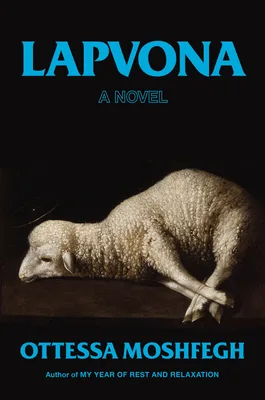
Details
Book description
In the drought-stricken village of Lapvona, Marek grows up abused and isolated, believing his father’s account that his mother died in childbirth. His strongest attachment is to Ina, the blind midwife who nursed him as an infant and whose unusual closeness to the natural world sets her apart from the villagers. Some regard her woodland home as a godless place; others depend on religious authority and the promise that powerful figures will protect them.
That promise is tested by famine and by the conduct of Villiam, the depraved lord who governs the village from his hilltop manor, and Father Barnabas, the priest who serves him. When Marek is drawn into violent proximity to the lord’s family, occult forces begin to unsettle the existing order. The story brings together a shepherd’s household, a community under strain, and the authorities who shape its beliefs and daily life.
Ottessa Moshfegh’s novel combines a stark medieval setting with dark, unsettling elements of the supernatural. Its concerns include faith, power, deprivation, bodily vulnerability, and the human need to believe that someone is looking out for the vulnerable. The boundaries between the natural and spiritual worlds—and between life, death, blindness, and sight—become increasingly uncertain as the village’s hardship deepens.
Lapvona is suited to readers of literary and historical fiction who welcome grotesque, atmospheric storytelling, morally disturbing situations, and a pronounced Gothic or occult edge. Its unsparing treatment of abuse, hunger, and religious authority makes it a challenging choice for readers seeking a gentle or reassuring historical tale.