Details
Book description
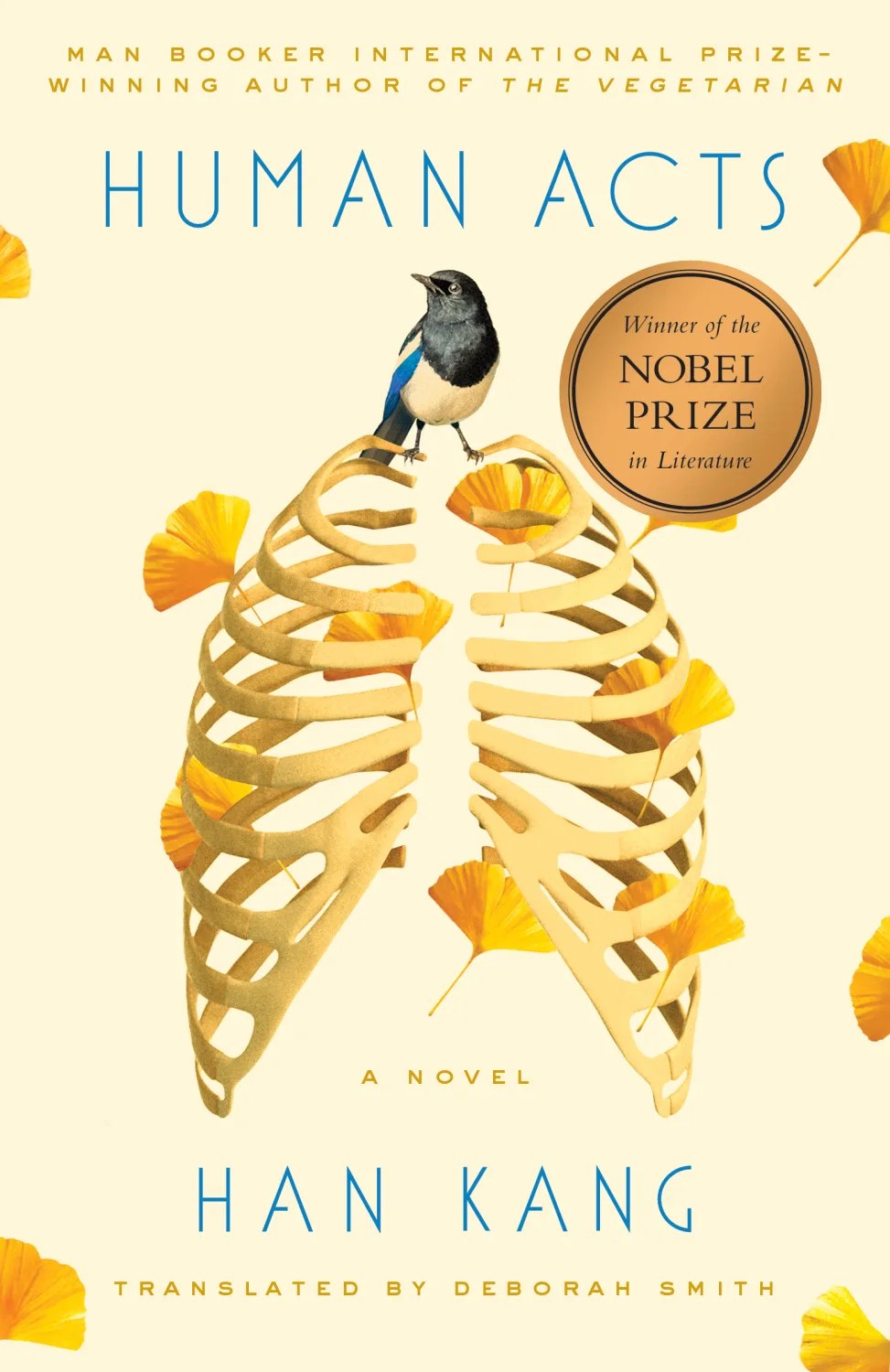
In Human Acts, Han Kang turns to the aftermath of a violent student uprising in South Korea. A young boy, Dong-ho, is killed, and the novel follows the reverberations of that death through the lives of people bound to the event and its lasting grief. The story is told in interconnected chapters, offering distinct perspectives on loss, memory, and the struggle to make suffering visible.
Among those whose experiences shape the narrative are Dong-ho’s friend, an editor confronting censorship, a prisoner, a factory worker, and Dong-ho’s mother. Their stories reveal the personal consequences of political violence: trauma that persists, attempts to suppress or deny what happened, and the difficult work of bearing witness. Rather than presenting a single account, the novel gathers individual voices into a portrait of a community searching for language and recognition.
The book explores oppression, remembrance, grief, justice, and the resilience of human dignity. Its subject is harrowing, but the account also attends to the possibility of hope and to the power of people’s voices in the face of brutality. Han Kang’s poetic, intense prose gives the novel a lyrical quality while confronting the fragility of human life and the enduring effects of historical trauma.
Human Acts is literary historical fiction for readers interested in politically engaged novels, the human cost of state violence, and stories about collective memory and justice. Its linked perspectives and emotionally demanding subject matter make it a thoughtful choice for readers drawn to fiction that examines how individuals and communities live with violence long after the immediate event has passed.