Good Strategy Bad Strategy: The Difference and Why It Matters
PLUS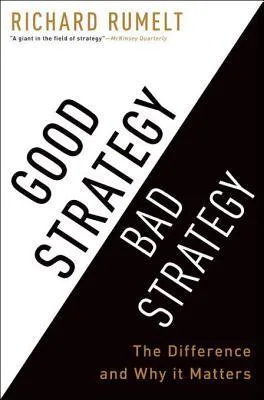
Details
Book description
In Good Strategy/Bad Strategy, Richard P. Rumelt argues that strategy is not a collection of worthy values, polished buzzwords, motivational slogans, or financial targets. A good strategy is a specific, coherent response to an important challenge: it identifies obstacles to progress and directs effort where it can make the greatest difference. The book examines why organizations so often mistake aspirations and plans for strategy, and offers a practical framework for distinguishing substantive choices from empty formulation.
Rumelt presents nine sources of strategic power, including leverage and focused growth, as tools for diagnosing situations and concentrating resources. Rather than treating strategy as an abstract exercise, he emphasizes action and the need to connect analysis with what an organization actually does. His approach is intended to help leaders confront difficult questions and develop responses suited to real conditions.
The argument is illustrated through examples from business, nonprofit organizations, and military affairs. The cases span companies and institutions such as Apple, General Motors, Wal-Mart, Nvidia, the Getty Trust, and the Los Angeles Unified School District, as well as military conflicts and the 2007–08 financial crisis. These varied examples show how the book applies its framework across different settings, while drawing on ideas from economics, finance, technology, and history.
Written for leaders and readers interested in organizational decision-making, the book is a practical guide to recognizing weak strategic thinking and building more focused, coherent approaches to challenges. Its emphasis on diagnosis, leverage, and disciplined action makes it relevant to business strategy, management, and leadership.