Details
Book description
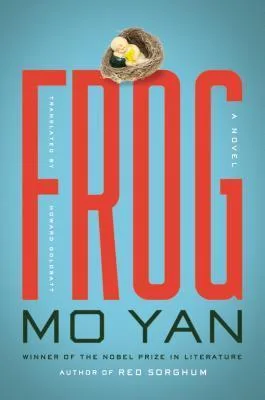
Frog traces the sweeping history of modern China through the effects of the one-child policy on a village and the people charged with enforcing it. The story is framed by Tadpole, a playwright who plans to write about his aunt, Gugu, and her work as a midwife.
In her youth, Gugu is admired for her skill in childbirth and her political commitment. After her lover defects, however, her loyalty to the Party comes under suspicion. Seeking to demonstrate that loyalty, she takes on strict enforcement of the one-child policy, monitoring births in the village and performing abortions, including on women late in pregnancy.
Through this family and community history, the novel considers the human consequences of state policy, political allegiance, reproductive control, and the difficult choices made under ideological pressure. Its focus on an individual’s life opens onto broader changes in modern China, while the framing device of a playwright writing about his aunt gives the narrative a reflective, storytelling dimension.
Frog is suited to readers of literary and political fiction interested in modern Chinese history, family and community life, and the personal costs of government policy. The available description emphasizes the novel’s historical scope and morally challenging subject matter; it does not specify further details of its narrative structure or style.