Details
Book description
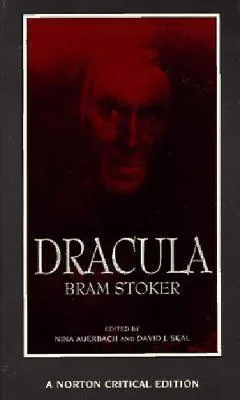
Bram Stoker’s Dracula is a Gothic horror novel presented through a collection of documents, including diary entries and letters. This layered form lets the story emerge through different written perspectives, creating an atmosphere of uncertainty as its characters confront the disturbing events surrounding Dracula. The novel combines supernatural horror with a close attention to the fears and concerns of its own late nineteenth-century setting.
In her introduction to this edition, Glennis Byron reads the novel in relation to that historical moment rather than as an expression of timeless, universal anxieties. She also draws attention to the contrast between Transylvania and London, suggesting that the modern city—not only the distant, uncanny landscape—is a setting for the novel’s sense of monstrosity. This perspective makes Dracula especially rewarding for readers interested in how Gothic fiction reflects the society in which it was written.
The edition includes appendices that extend the reading beyond the novel. These gather contemporary reviews, materials Stoker drew on, documents relating to period views of trances, sleepwalking, and hypnotism, and other writing by Stoker. Among them is “The Censorship of Fiction,” in which he argues for the defense of the nation’s social and moral purity. Together, the supplementary materials offer context for considering the novel’s ideas about belief, social order, and the boundaries of acceptable fiction.
This edition is suited to readers of classic Gothic and supernatural horror, as well as students and readers exploring Victorian literature, its cultural context, and the history of horror. Its introduction and documentary appendices make it particularly useful for a historically informed reading of Stoker’s best-known novel.