Details
Book description
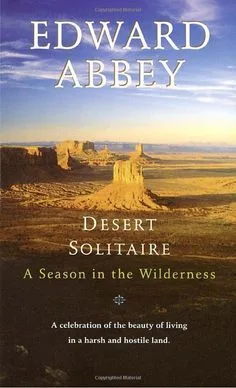
In Desert Solitaire, Edward Abbey draws on his experience as a park ranger in the American Southwest to reflect on wilderness, solitude, and the changing desert landscape. Told through autobiographical vignettes, the book combines encounters and observations from life in the backcountry with meditations on what makes the desert compelling—and difficult—to inhabit.
Abbey writes about the beauty and severity of desert country, portraying it as both liberating and isolating. His reflections explore the tensions between human presence and the natural world, including the effects of development and excessive tourism on protected landscapes. The book’s concerns extend beyond personal experience to questions of conservation and the value of leaving wild places undisturbed.
Part nature writing and part philosophical memoir, Desert Solitaire uses the southwestern wilderness as the setting for reflections on life’s mysteries and the costs of progress. Its vignettes bring together close attention to place, personal narrative, and environmental criticism, creating a portrait of a landscape that is at once alluring and unforgiving.
This book will appeal to readers of American nature writing, environmental essays, conservation, and memoir, especially those interested in the deserts and national parks of the Southwest. Readers looking for a reflective account of wilderness and the pressures placed on it will find Abbey’s perspective central to the book.