Details
Book description
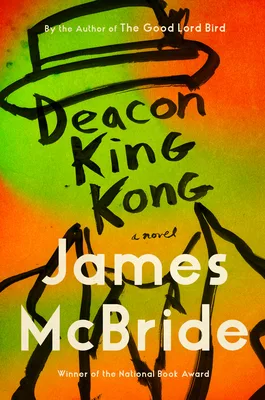
Set in a Brooklyn housing project amid the upheaval of the late 1960s, Deacon King Kong begins with an act that leaves the neighborhood searching for answers: Sportcoat, an elderly, colorful church deacon known for drinking the local liquor called King Kong, shoots a neighborhood drug dealer in broad daylight. No one seems to know why he did it. The shooting draws attention to a community already under pressure as drug trafficking grows and reshapes life around it.
The story takes in the neighborhood’s varied residents, including African Americans, Latinos, churchgoers, police officers and local mobsters. Their lives are affected by the shooting and by the changes taking place around them. Rather than focusing only on crime, the novel presents a community negotiating adversity together, with humor and a measure of fatalism.
The published description emphasizes humanity, fantasy and tenderness, and compares the novel’s effect to a beautiful piece of jazz. That combination points to a warm, lively approach to difficult subjects: neighborhood violence and social change are set alongside the humor, resilience and solidarity of ordinary people. The result is a community-centered work of fiction with both comic energy and compassion.
Deacon King Kong will appeal to readers of literary and contemporary fiction who enjoy richly human stories about urban communities, intersecting lives and the bonds people form under pressure. Its Brooklyn setting and late-1960s backdrop also make it a fit for readers interested in fiction shaped by place and social change.