Dangerous Rhythms: Jazz and the Underworld
PLUS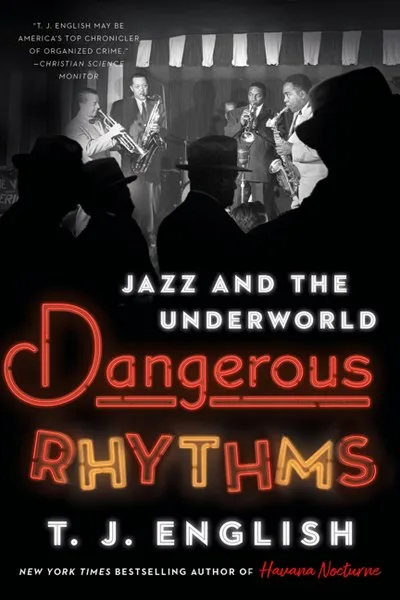
Details
Book description
In Dangerous Rhythms: Jazz and the Underworld, T. J. English traces the intertwined histories of jazz and organized crime in twentieth-century America. Focusing on the country’s notorious vice districts, the book examines how the relationship between musicians and mob-connected club owners shaped the places where jazz was performed and the opportunities available to artists.
For the first half of the century, that connection could be mutually beneficial. Clubs linked to figures such as Al Capone, Meyer Lansky, and Charlie “Lucky” Luciano offered stages to musicians including Louis Armstrong, Earl “Fatha” Hines, Fats Waller, Duke Ellington, Billie Holiday, Lena Horne, and Ella Fitzgerald. English presents the partnership as both an important part of jazz’s performance history and a system marked by deep racial inequity: many musicians were African American, while white men owned the clubs and controlled the means of production.
The book explores differing views among artists about working in venues under mob influence. Some, including Armstrong, considered “protected” clubs safer or more likely to pay fairly; others saw independence from mob rule as a path to greater control over their careers. These tensions place the music business within the wider social changes of the period, including the rise of the Civil Rights movement and challenges to an exploitative arrangement English characterizes as a glorified plantation system.
Drawing on extensive research and written as a narrative history, Dangerous Rhythms is for readers interested in jazz, organized crime, African American cultural history, and the social forces behind American popular music. It offers a detailed account of a complicated cultural partnership, showing how access to performance, control of venues, race, and artistic autonomy shaped one another.