Details
Book description
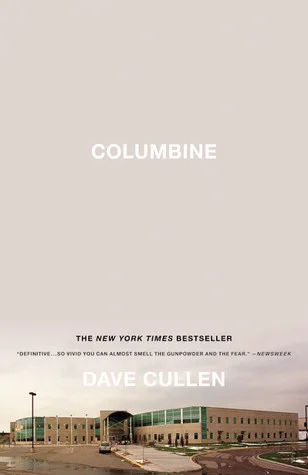
In Columbine, journalist Dave Cullen examines the 1999 massacre, its aftermath, and the stories that grew around it. Drawing on his reporting from the outset and a decade of work on the book, Cullen investigates what happened and challenges popular explanations that he says misrepresented the killers and the events. The result is an account of a crime that left a lasting mark on the American psyche and shaped how later acts of mass violence were understood.
Cullen combines extensive evidence with insights from forensic psychologists to explore the killers’ contrasting profiles. The book also attends to the survivors, tracing moments of resilience and redemption amid the tragedy. The account includes the killers’ own words and drawings, with several reproduced in an appendix, offering additional material alongside Cullen’s reporting and analysis.
The expanded edition adds an epilogue reflecting on Columbine’s influence and the recurring patterns in how mass killings are presented and interpreted. Cullen considers how a distorted narrative of the massacre could become a template for later perpetrators, making the question of what really happened—and how the story was told—central to the book’s broader significance.
Written as investigative nonfiction with a strong psychological focus, Columbine is suited to readers interested in the massacre, American social history, journalism, and the cultural impact of mass violence. Its detailed examination of evidence and aftermath also makes it relevant to readers seeking a nuanced account that distinguishes documented events from enduring misconceptions.