Details
Book description
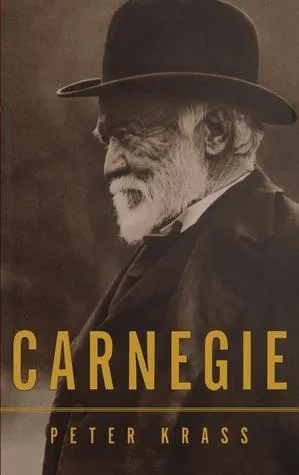
Peter Krass’s biography examines Andrew Carnegie, the Scottish-born industrialist who rose from humble beginnings to build one of the world’s most powerful steel businesses. Set against the Gilded Age, it traces the making of his fortune and the transformation of a poor immigrant boy into a figure of immense economic and political influence.
The account presents Carnegie’s life through its contradictions. His steel empire depended on a harsh industrial world in which mill workers endured long hours and dangerous conditions, while Carnegie himself spent extended periods traveling in Europe. Krass considers both the business practices behind Carnegie’s success and the philanthropy through which he later gave away much of his wealth, exploring the tension between his public generosity and his reputation as a ruthless capitalist.
The biography also follows Carnegie’s involvement in public affairs, including his influence during the presidencies of Grover Cleveland, William McKinley, and Theodore Roosevelt. In retirement, he championed world peace, a cause that was devastated by the outbreak of World War I. These strands bring together a portrait of a businessman, philanthropist, and political actor whose achievements and ethical legacy remain difficult to reconcile.
Written as a detailed narrative biography, Carnegie is suited to readers interested in American industrial history, the Gilded Age, the growth of modern business, and the complicated history of philanthropy. It offers a focused account of one influential life while placing Carnegie’s rise and legacy within the broader social and political forces of his era.