Details
Book description
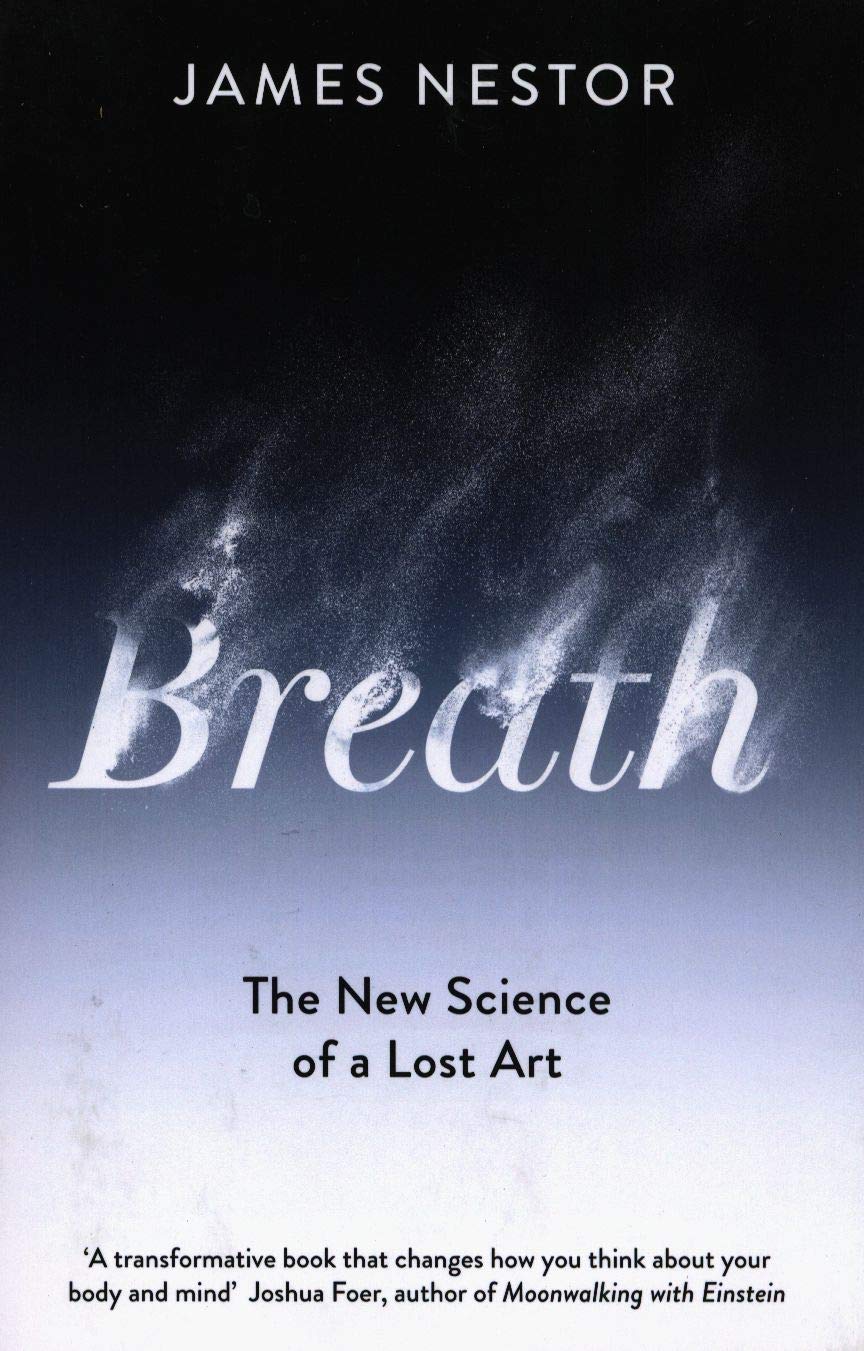
Breathing is one of the body’s most constant functions, yet journalist James Nestor argues that modern people may have lost touch with how to do it well. In Breath: The New Science of a Lost Art, he investigates the science and history behind this essential act, asking how breathing habits affect health and what people can learn from older practices and emerging research.
Nestor’s journey takes him from ancient burial sites and Soviet research facilities to a New Jersey choir school and the streets of São Paulo. Along the way, he examines practices including Pranayama, Sudarshan Kriya, and Tummo, and works with researchers to test ideas about breathing. The book draws on medical texts and contemporary research in pulmonology, psychology, biochemistry, and human physiology.
Rather than treating breath as an automatic process beyond our attention, Nestor explores how small changes in inhaling and exhaling may influence the body. The book discusses research into breathing’s possible connections with athletic performance, snoring, asthma, and other aspects of health, placing traditional techniques alongside modern scientific inquiry. Its approach combines reported investigation with an accessible account of the cultural, evolutionary, and physiological dimensions of breathing.
Breath is nonfiction for general readers interested in health, wellness, human physiology, and the science behind everyday habits. It may particularly appeal to readers curious about meditation and breathing practices, or those seeking a broad, journalistic introduction to current ideas about how breathing works.