Details
Book description
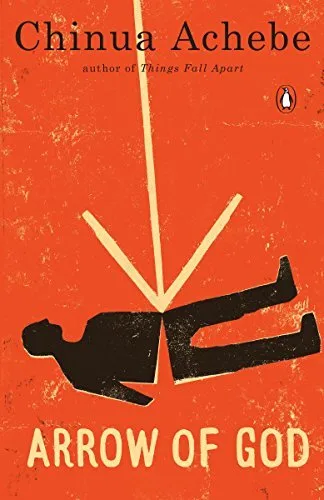
In Arrow of God, Chinua Achebe turns to Umuaro, a community of six villages, where Ezeulu serves as chief priest of the god Ulu. As British colonial rule takes hold, the foundations of political and religious life are changing, and Ezeulu’s authority comes under pressure from both local rivals and officials of the new administration.
Ezeulu must navigate competing responsibilities: serving the deity and the people, guarding the community’s religious observances, and pursuing his own influence. His confidence in his position confronts the limits of his power, with tragic consequences for him and his community. Through this conflict, Achebe examines leadership, power, faith, and the burden of responsibility.
The novel’s portrayal of a society altered by colonialism also explores the tensions between personal ambition and communal needs, and the consequences of change for established beliefs and institutions. Ezeulu’s personal downfall is bound up with the transformations reshaping Umuaro, making the story both an individual tragedy and a study of a community under pressure.
The second novel in The African Trilogy, following Things Fall Apart and preceding No Longer at Ease, Arrow of God will interest readers of literary and historical fiction, as well as those drawn to novels about colonialism, religion, leadership, and social change. Achebe’s account offers a nuanced portrait of the costs of asserting authority in a world where both local rivalries and colonial power unsettle existing ways of life.