Details
Book description
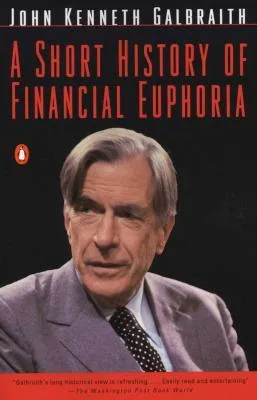
In A Short History of Financial Euphoria, economist John Kenneth Galbraith examines recurring episodes of speculation and financial collapse across roughly three centuries. Moving from the seventeenth-century tulip craze to the junk-bond era, he considers how excitement over profit can lead people who are ordinarily sensible to take reckless risks.
Galbraith’s central concern is the short memory of financial markets. As the lessons of earlier crises fade, investors and institutions can once again mistake rising prices and apparent opportunity for evidence that danger has passed. The book connects this recurring forgetfulness to the conditions that make financial debacles possible, offering a historical perspective on the patterns behind market excess.
Written with the wit and skeptical perspective associated with Galbraith’s economic commentary, the book makes financial history accessible to readers beyond specialists. Rather than treating each speculative episode as wholly unique, it draws attention to familiar behavior and recurring vulnerabilities. Its concise historical approach invites readers to compare past episodes with later financial developments and to think critically about the confidence that accompanies a boom.
This book is suited to general readers interested in economics, investing, financial history, and the causes of market crises, as well as students seeking a compact introduction to speculative cycles. Its perspective is cautionary: awareness of past euphoria cannot eliminate future risk, but understanding recurring patterns can help readers recognize the conditions that precede financial trouble.